Uro Oncology
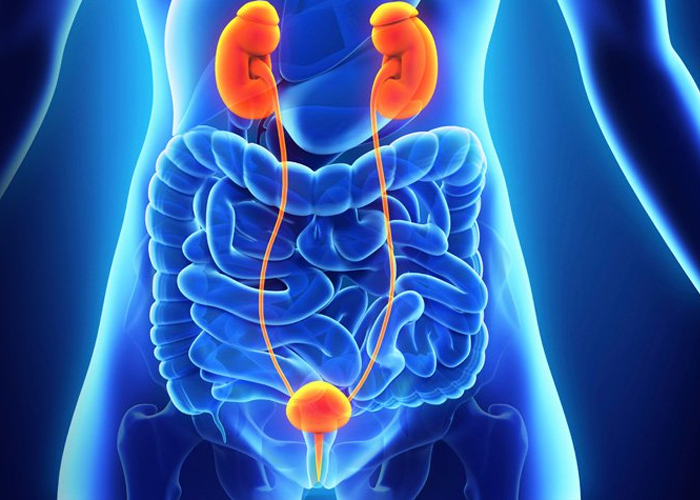
A urologic oncologist or uro-oncologist is a urologist with advanced training in the diagnosis and treatment of urologic cancers. Uro-oncologists treat patients with general urology issues as well as complex cancers of the urinary tract and the male reproductive organs.
The four disease process that it is involved on urologic oncology are as follows:
Prostate Cancer
Prostate cancer is the second most common cancer in men after skin cancer. It is the second leading cause of cancer death in men after lung cancer. There has been a down-staging phenomenon in the past few years as the result of an early detection and diagnosis. While in it’s early stages, the chance for cure is very high. It is diagnosed by a blood test called PSA and digital rectal exam. Surgery is the only treatment that removes the prostate gland entirely. In all other options such as radiation, brachytherapy and cryosurgery, the prostate gland stays inside the patient. Decision on which option is best for patients is based on case by case.
Bladder Cancer
Approximately 54,000 new cases of bladder cancer are diagnosed and more than 12,500 deaths are attributed to bladder cancer. Most patients usually present with hematuria (blood in urine) and the best way to diagnose it is through a cystoscopy. By looking inside the bladder and getting a biopsy of a lesion, pathologist can determine what type of bladder cancer and how aggressive the tumor is. For more aggressive diseases of bladder cancer that invades the muscular tissue of the bladder, surgical removal of the bladder is the standard of care. Open radical cystectomy is the standard of care with a urinary diversion either ideal conduit or a neobladder. More recently the same minimal invasive principles have been applied to this operation.
Kidney Cancer
Renal Cell Carcinoma is the most commonly diagnosed kidney cancer. Most of these tumors are found incidentally as the result of unrelated imaging studies. Radical nephrectomy or partial nephrectomy are the gold standard treatment options for this disease process. While open surgical removal of kidney or part of it is indicated in selected patients, majority of these tumors could be removed laparoscopically or through minimal invasive approach. The advantages are minimum blood loss, faster recovery time with similar oncological outcome.
Partial Nephrectomy
Also known as nephron sparing surgery is usually chosen when the tumor size is less than 4cm, if contralateral kidney is not functioning well. Pre-planning for the surgery is the key to success in this type of surgery whether it is performed through an open surgery or laparoscopically. Occasionally if the mass is a small size, da Vinci Robotic Prostatectomy could be used in order to remove the tumor.